Confluence is an ongoing series of international gatherings with a single aim: to support and help build the global narrative change field.
Originally conceived by IRIS, the Confluence gatherings are co-planned and organized with a range of partners, including the Global Narrative Hive, PUENTES, Aflamuna, Mawred and Docubox.
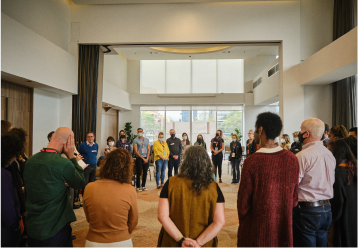
It convenes leaders in narrative change and impact storytelling; alongside civil society leaders and funders; to workshop strategies, share learnings, explore collaborations and deepen relationships across sectors. Each gathering builds on the last, moving the field from coming together and seeing one another, toward weaving deeper relationships, toward practical strategies for how we mobilize across sectors to shift power and transform systems.
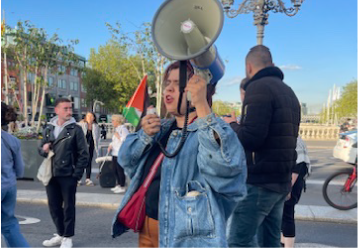

We are living through a moment of profound global challenge and change. The opponents of democracy and social justice have been very successful in advancing narratives in support of their anti-rights agenda, and they are doing so in an organized, globally networked way.
We believe that narrative change field is strongest when it acts not as a scattered set of pioneers but as a
If we organize gatherings like Confluence and provide the field with shared resources, such as the Narrative Directory and the Narrative Change Hub, then isolated efforts become shared relationships, common language and collective strategy. This shift accomplishes our central aim: a stronger, better-networked global narrative change field, able to combine its collective skills, power and resources to advance narratives in support of democracy, social justice, decolonization and broader liberation struggles.


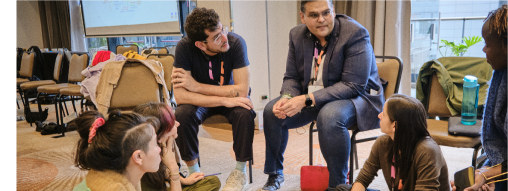
Research by James Logan and others showed pioneers in narrative change around the world are hungry for spaces and opportunities to gather together in person, to connect, learn from one another, take stock of the state of this growing field, and do some collective sense-making, learning and field-building.
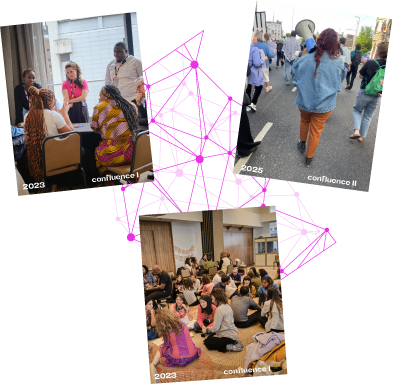
Hearing the interest in gathering from many people, IRIS allocated a budget and invited PUENTES and the Global Narrative Hive (via the Funders Initiative for Civil Society, which incubated the Hive) to co-organize the gathering. We decided to hold it in Bogota, Colombia (in the Andes, 2600m closer to the
stars!), to center Latin America and some of the groundbreaking work happening in the region to support democracy, advance gender justice and reclaim narratives of hope, inspiration and possibility.
Illuminated with colorful visuals by Brazilian designer Zec and expertly facilitated by Andrea Parra and Matthew Armstead from Training for Change, Confluence brought together a dynamic mix of participatory exercises, group discussions and panel presentations, with every participant playing a role in presenting, dialoguing, moderating and showcasing their work.
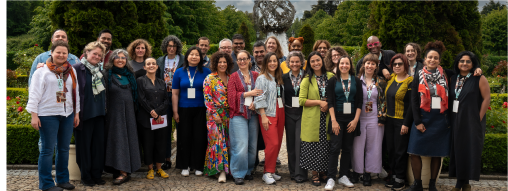
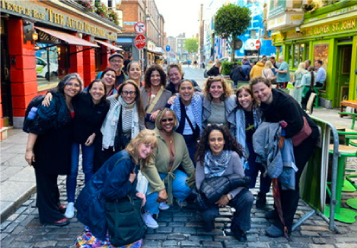
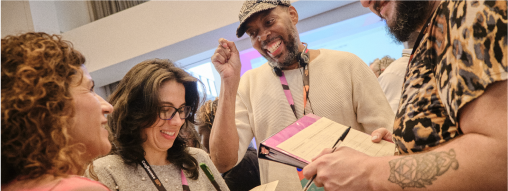
Confluence II was held in Dublin as a smaller, strategic convening of 35–40 thought leaders from across the field, with a particular emphasis on the Arab region. Where Bogotá was about coming together, Dublin was about weaving deeper relationships — strengthening networks, exploring joint narrative strategies,
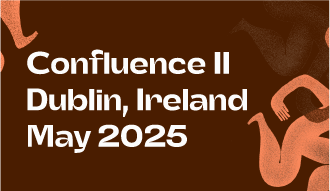
and laying the groundwork for the gathering to follow. It was co-hosted by IRIS, Aflamuna, Culture Resource (Al-Mawred Al-Thaqafy) and the Global Narrative Hive, with Monica Roa of Puentes as adviser.
Confluence III is planned for Nairobi in 2026, turning the field's attention toward practical strategies and approaches for change — how
we mobilize across sectors to strengthen and deploy narrative infrastructure to shift power and transform systems. A topline agenda will be forthcoming in Fall 2026.

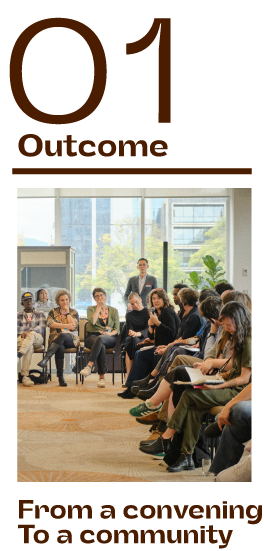
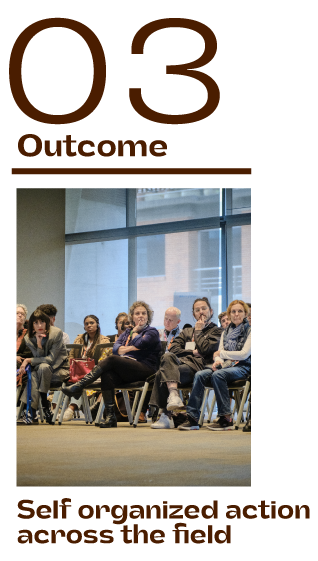
Confluence evolved from being a convening to becoming a community, Participants developed and deepened relationships and connections, and discovered more about the work each of them is doing. The Whatsapp group formed at Bogotá has become an ongoing exchange of new events, resources and photos of influencers gathering again at convenings and events around the world; a living network that connects narrative change leaders who too often work in isolation, and lets the field act as a coordinated whole.
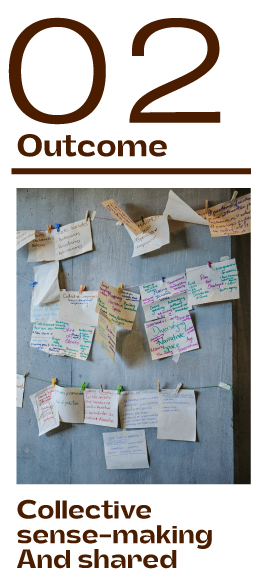
The gathering created rare space for the field to take stock of itself. Participants discussed and vigorously debated the wide-ranging terminology we use and the roles we each play, and deliberated over ways to assess and measure progress. They learned from experts in digital narratives and online engagement, neuroscience, cognitive linguistics, values, fiction and humor. Funders, too, began to think, connect and tell stories across issue silos through a creative exercise led by Monica Roa from PUENTES, reflecting on their strategies and the continued need to advocate for this work within their own organizations. The field left with a clearer, shared understanding that narrative change is strong and vibrant — as one participant put it, "light years ahead" of where it was a few years ago.