



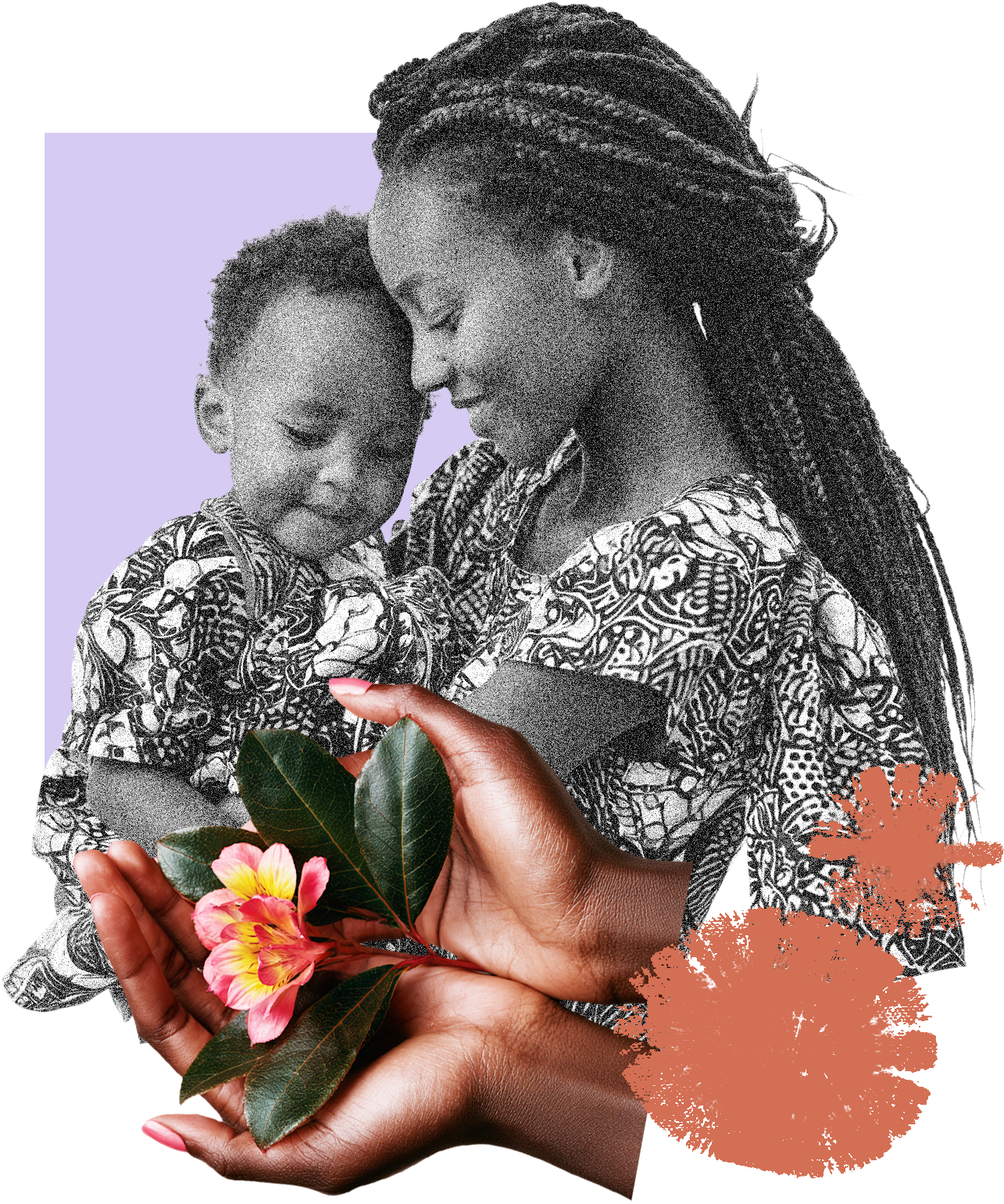
Prioritizing and resourcing work that specifically serves young mothers’
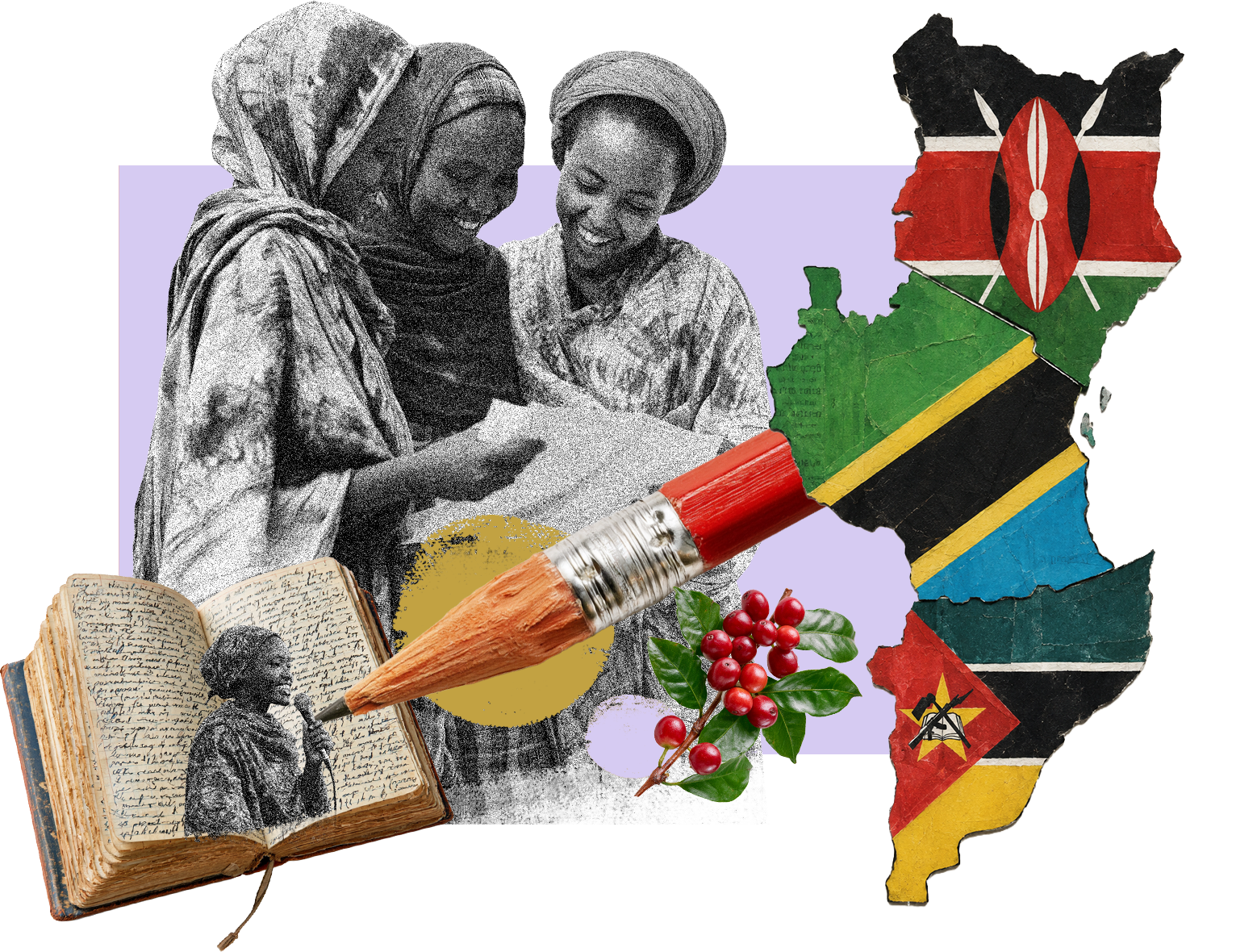

The Young Mothers Consortium works to ensure young mothers have increased access to resources and services, networks of solidarity and the tools to negotiate with systems, services and narratives around them in Kenya, Mozambique and Tanzania. The project builds on formative research which partnered with young mothers to identify their needs and uncover their proposed solutions to meet those needs. As a result, the project activities are guided by these young mother-identified solutions, including prioritizing and resourcing work that specifically serves young mothers’ unique needs, championing efforts to build their power and social capital, strengthening access to appropriate health- and childcare services and, more broadly, supporting system change efforts to facilitate improved access to critical services.
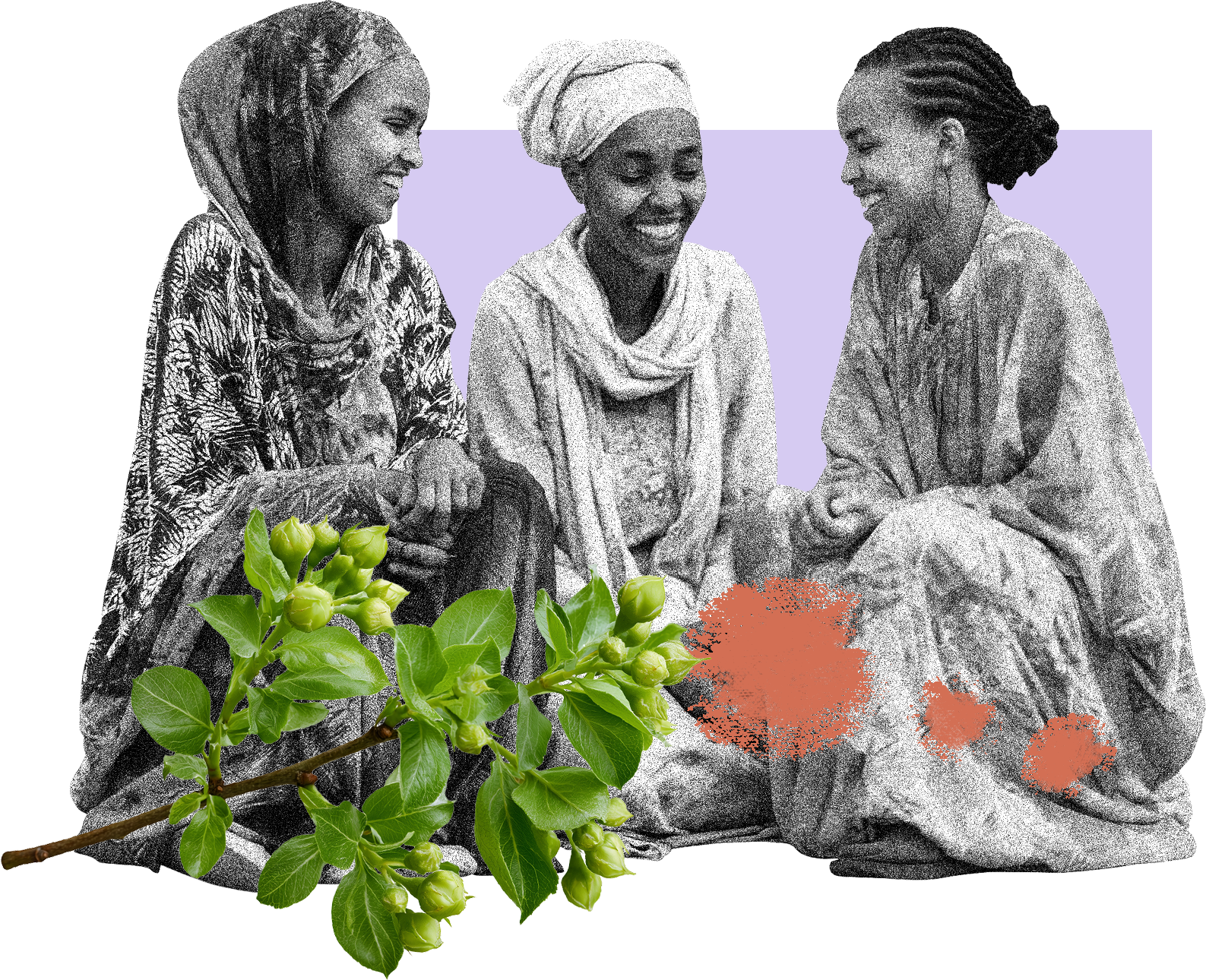
Championing efforts to build their power and social capital
Strengthening access to appropriate health and childcare services
The project is jointly implemented by four partners - Children’s Rights Innovation Fund (CRIF), Children's Rights and Violence Prevention Fund (CRVP-F), the International Resource for Impact and Storytelling (IRIS) and Purposeful. The International Center for Research on Women (ICRW) accompanies us as the Learning Partner. Our partners collectively lead the narrative and storytelling strategy on this initiative.

In the Young Mothers Consortium, we are witnessing young mothers building power, building economic resilience and building a transnational sisterhood that will fuel the shift from trauma-based narratives to centering young mothers as individuals with power, dreams and agency.
APRIL, 2026 | WOMEN DELIVER CONFERENCE
Supporting system change to facilitate improved access to critical services
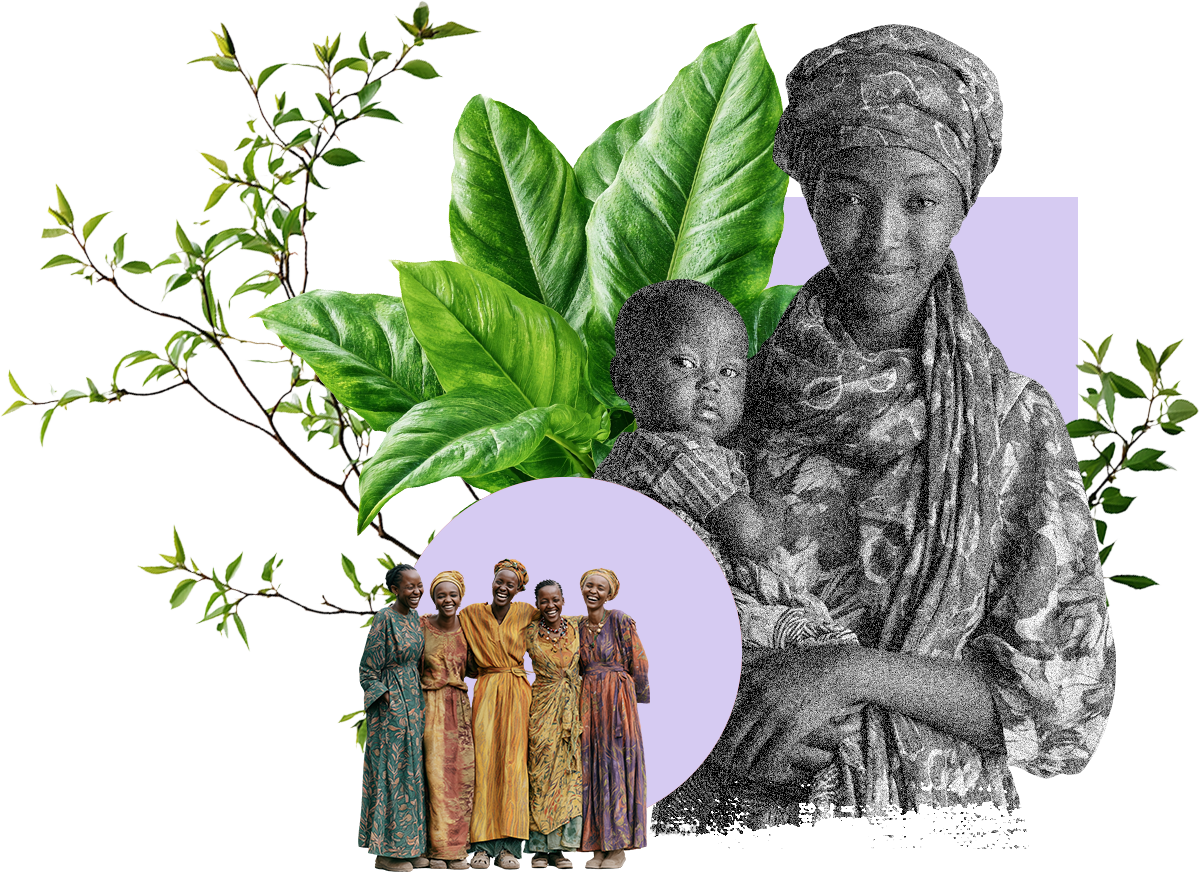
OCTOBER, 2025 | POWER BUILDING CONVENING
In October 2025, project partners CRIF and Purposeful convened 39 young mothers from Kenya and Tanzania, together with their children. This convening at Lake Naivasha was a power-building intervention designed to interrupt isolation and stigma by creating collective belonging and visibility. IRIS provided storytelling and narrative validation workshops. The space centered childcare, leadership, learning and organizing, culminating in participatory grant making, with young mothers discussing priorities and allocating resources in line with the futures they envision.
In April 2026, the Young Mothers Consortium attended Women Deliver in Australia, participating in a panel discussion that centered young mothers and their experiences. In addition to consortium members, this panel also included representatives of The Conrad N. Hilton Foundation.
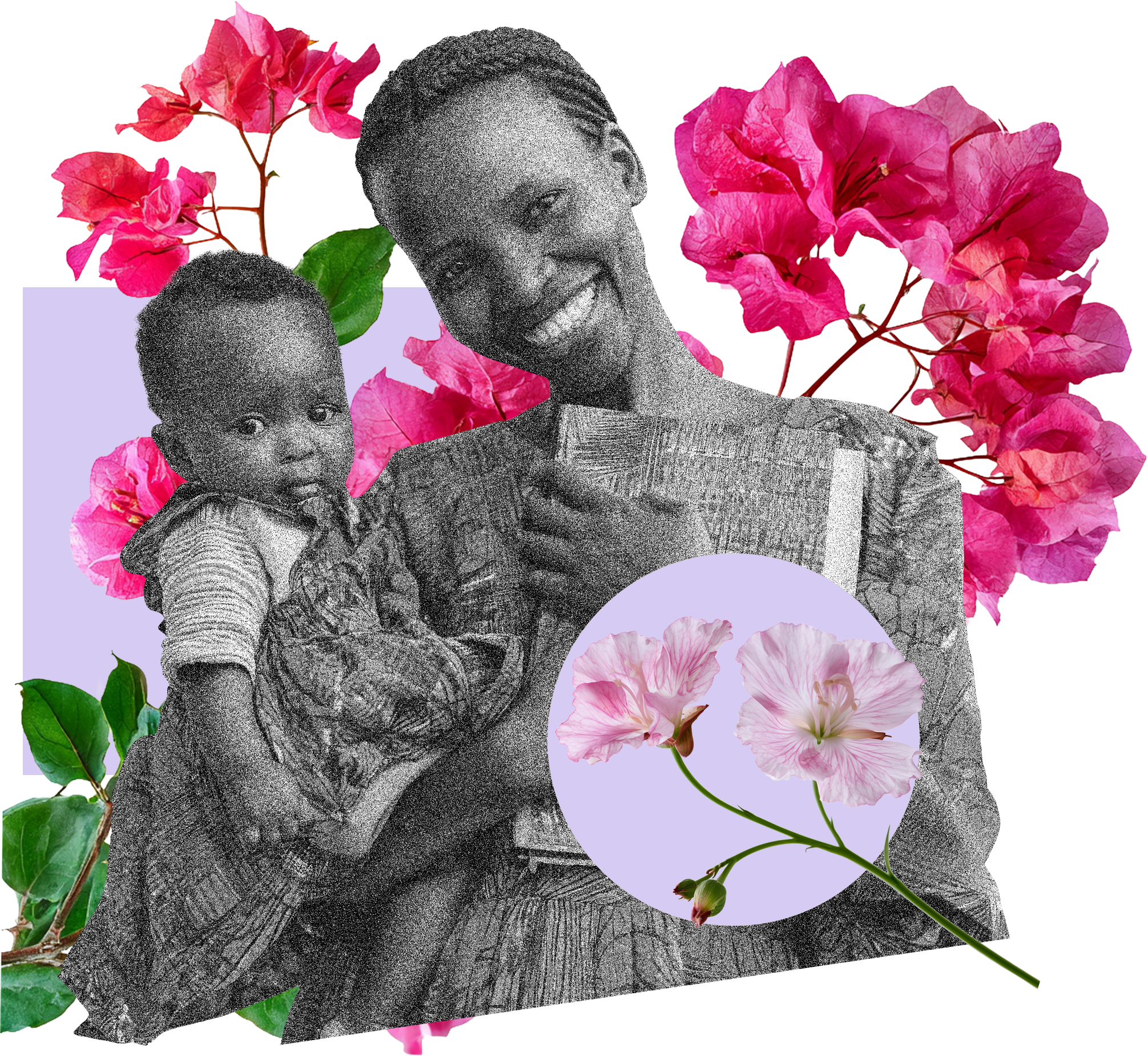
We envision a world where young mothers have the power and agency to live a life free from stigma, discrimination and violence and that they have the support needed to promote their wellbeing, and the wellbeing of their children.
ACTIVE | GENDER TRANSFORMATIVE APPROACHES
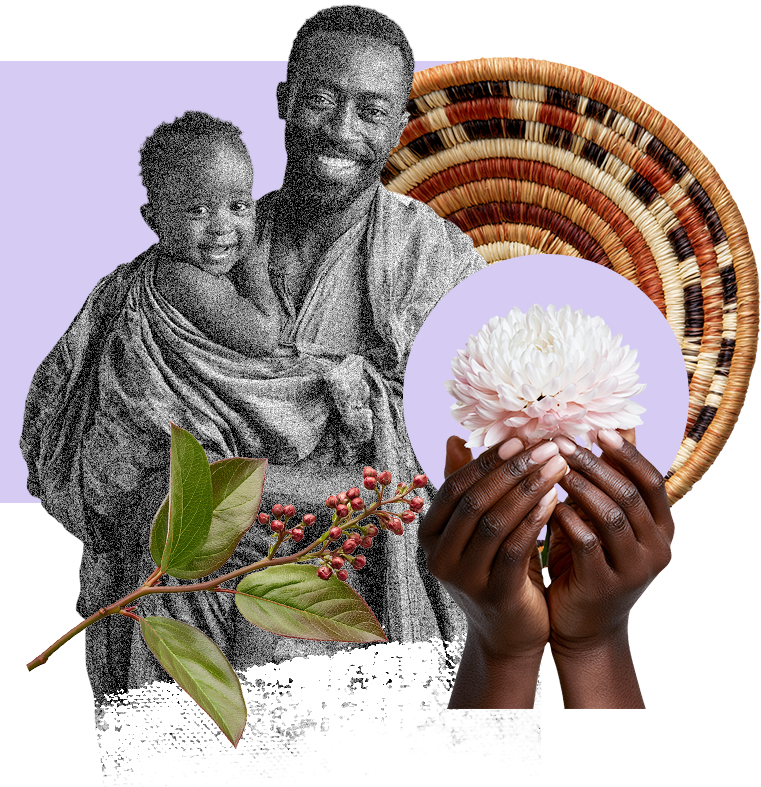
CRVP-F employs gender transformative approaches of engaging male caregivers in nurturing care. This challenges harmful thought patterns and promotes shared responsibility within families and communities. When men are included as allies in programs targeting girls and women, they become champions of caregiving, easing the burden on adolescent and young mothers while strengthening child development through diverse role models. Prototypes such as the Changamka Na Mjunior project in Siaya, Kenya, and the Guard and Goat Rearing project in Arusha, Tanzania, demonstrate how involving men in caregiving normalizes male participation, fosters community transformation, and ensures that caregiving is recognized as a collective responsibility rather than a gendered task.
2026 | NARRATIVE & STORYTELLING WORKSHOPS
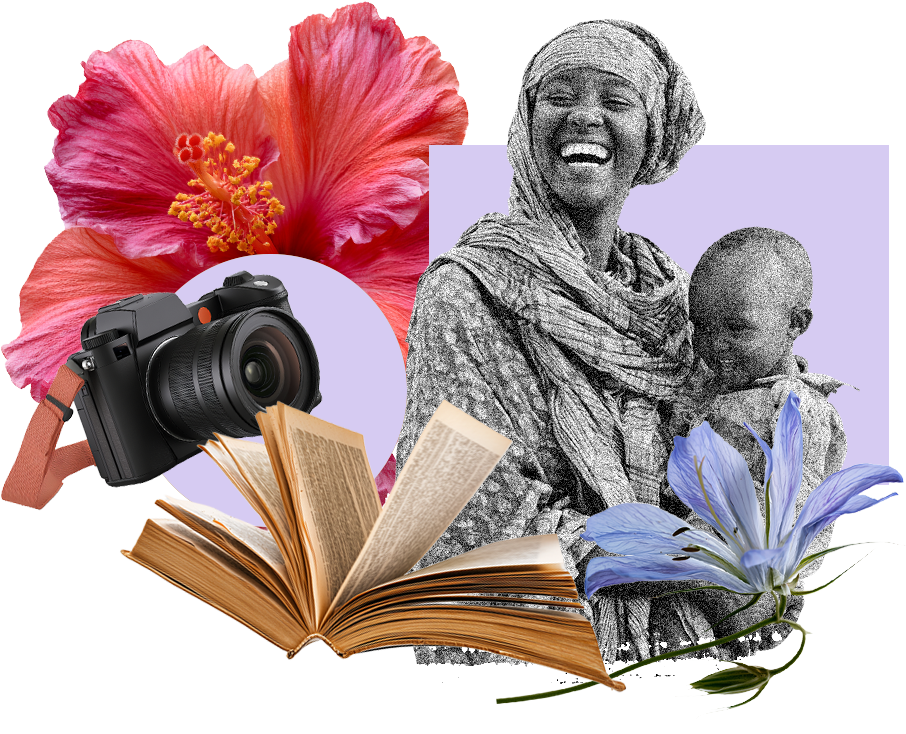
Between May and November 2026, IRIS and local storytelling partner DocuBox conducted narrative and storytelling workshops across Tanzania and Kenya with local Anchor Partners, storytellers and young mothers. Working to build power and agency with the young mothers and their communities, over 60 young mothers attended week-long immersions with storytelling mentors as they shared their own stories and learned new storytelling skills.


The consortium's narrative strategy shifts the focus from young mothers' vulnerability to their power, using analysis of insights from research, lived experiences and participatory validation with young mothers across contexts. This establishes a narrative architecture for shared beliefs, central to which is the reframing of young motherhood as "a comma, not a full stop." This core emergent narrative emphasizes that young mothers are protagonists in actively shaping their futures. The storytelling work is also combating internalized stigma, empowering young mothers to see themselves as leaders and decision-makers capable of influencing their families, communities and systems.
The programming integrates an analysis of the barriers that young mothers face at community, national and regional spaces. This has meant tackling not only immediate gaps but also structural barriers deeply entrenched in social norms that perpetuate stigma, discrimination and marginalization. The consortium’s approach uses the safe space model and feminist popular education methodologies to facilitate critical consciousness and collective action.
Beyond individual capacity, all partners in the initiative focus on mobilizing young mothers into collective advocacy and action. By forming peer groups, they are better equipped to challenge discriminatory pressure, negotiate with community leaders and demand accountability from institutions, thereby transforming systemic obstacles into opportunities for structural change.